

Auction Estimate or Written Appraisal: What to Know When Appraising the Value of Fine Art and Antiques
-
Posted in : Business:
- On : May 12, 2009
by: Catherine Riedel, Director of Marketing and Corporate Communications, Skinner, Inc.
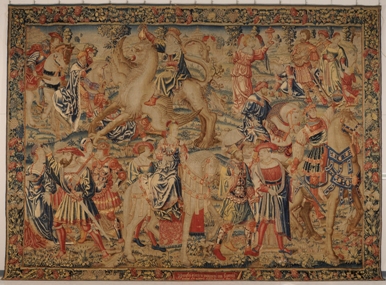
During turbulent economic times, wary consumers have often looked towards investing in or assessing the value of tangibles assets, such as art and antiques. Whether one is considering selling an object to liquidate funds, or just taking stock of his or her entire portfolio, a savvy consumer consults first with an appraisal expert. Perhaps that’s why auction houses and independent appraisers are seeing more requests for their services these days. But before you race to the nearest auction house or visit your local antiques appraiser to show off your goods, consider the following:
1. Know why you are getting an item appraised – is it simply to know the value? Are you interested in selling it? Do you want written documentation for insurance, estate, or tax purposes?
2. If you do need a written appraisal for insurance, estate, or tax purposes, then seek out a reputable source. The Appraisers Association of America (AAA), the American Society of Appraisers (ASA), and the International Society of Appraisers (ISA) can provide you with a list of preferred auction houses and independent appraisers. A formal appraisal can cost you a few hundred dollars up to a few thousand. The fee is usually dependent on the number of items you are having appraised (is it just one or an entire household? And also considers the time spent by the appraiser. The fee for an appraisal should be based on a flat rate or hourly rate. It should never be based on the value of the item.
3. To be sure you are getting full value for your item, you shouldn’t sell something outright to an auction house or appraiser. An independent appraiser is just that – he or she should have no vested interest in the item they are appraising.
4. If you are interested in selling, you don’t need a written appraisal and you shouldn’t pay for one – a verbal estimate of what an item might sell for is all you’re really looking for. Here’s where you’d want to use an a full service auction house as most provide “auction evaluations” free of charge for items you are considering selling at auction. Often emailing photographs and a brief description can start the process, but your best course of action is an appointment with an appraisal expert who can examine your items in person. This is certainly true for items of significant worth. The appraiser will offer his or her opinion on whether a piece would potentially sell at auction and also provide an estimated range of value it might be expected to achieve. You can then decide whether you’d like to consign that item for auction.
5. If you want to keep your treasure, but are curious as to its origin and value, sources are plentiful: online price databases that feature pictures and prices (some charge a fee to access price information); pictorial antique price guides like Miller’s Price Guides, which can be found in the antiques section of most bookstores; and even auction house catalogs and websites, which give pre-sale estimates on items coming up for auction and also post price lists of what these items actually sold for at auction. But keep in mind comparing pictures of similar items doesn’t take into account the authenticity of an item, its quality, and whether or not it has been restored. If you don’t know where to start, you might seek out a research librarian at your local library.
Lastly, keep in mind that not everything that is old is valuable – age, rarity, quality of construction, condition, provenance, and market trends all play a factor in determining an item’s value. The monetary value of items can rise and fall depending on the taste of the times and general economic conditions. Lastly, know that while a piece may have historic interest and significance, it may not have any marketable value. A great example of this is a 19th century family bible – it’s certainly a wonderful family treasure, but so many of these were produced and sold in the mid-late 19th century, they are literally a dime a dozen . That’s not to say such an item doesn’t have value to YOU! The best appraisers will often ask a customer “Do you love it? Would you ever part with it?” If your answer is YES!, and then NO!, then forget about its so-called “value” — keep it, enjoy it, and pass it on.
could you please tell me where I can find an independant appraiser. I am in North Kent.
Informative and entertaining. I’ve added your blog to my “reading material.” Keep me updated!